When embarking on your handmade art projects, the selection of paints plays a crucial role in bringing your creative vision to life. Consider the intricacies of the surface you're working on and the desired outcome to make informed decisions. Understanding the nuances of different paint types, such as acrylics and watercolors, can significantly impact the final result. Factors like opacity, drying time, permanence, and finish are key in determining the suitability of paints for your specific project. By carefully choosing the right paints, you can elevate your artistic creations from mere concepts to tangible masterpieces that captivate viewers with their unique charm and allure.
Understanding Your Art Project Needs
To choose the right paints for your handmade art projects, consider the specific requirements of your creative endeavor. Think about the surface you'll be painting on and the effect you want to achieve. For example, acrylic paints work well on canvas and provide vibrant colors, while watercolors are better suited for paper and offer a translucent look. If you're working on a DIY project like decorating a wooden sign, consider using versatile paints like acrylics or enamel paints that adhere well to wood surfaces.
Consider the drying time of the paints as well. Acrylic paints dry quickly, making them great for layering and blending colors, while oil paints have a longer drying time, allowing for more flexibility in your painting process. Additionally, think about the finish you desire. Do you want a glossy, matte, or metallic look? Choose paints that offer the finish you envision for your project.
Exploring Different Types of Paints
Consider exploring a variety of paint types to enhance the versatility and quality of your handmade art projects. Different types of paints offer unique characteristics that can elevate your creations.
Acrylic paints are versatile, quick-drying, and suitable for various surfaces, making them a popular choice for many artists. They come in a wide range of colors and can be easily mixed to create custom shades.
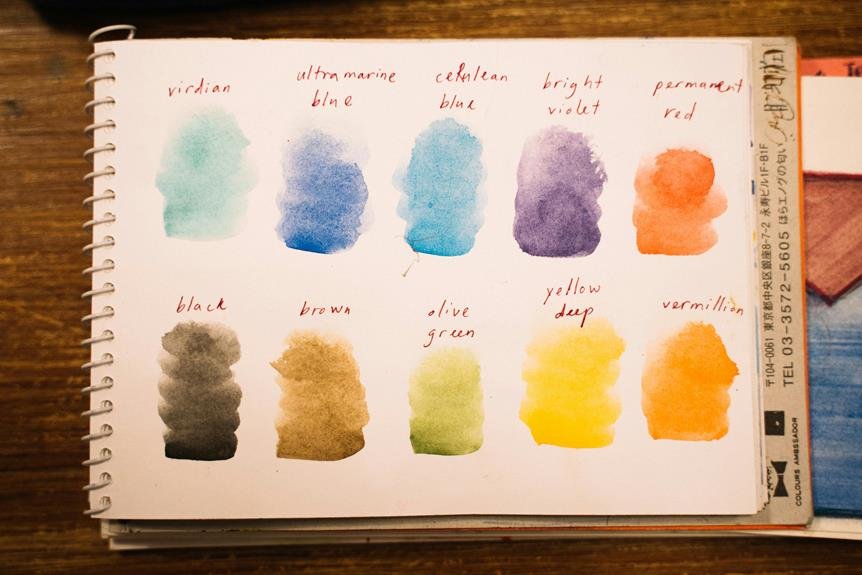
Watercolors are transparent and ideal for creating delicate washes and beautiful gradients. They're perfect for creating ethereal and flowing effects in your artwork.
Oil paints are known for their rich colors and blendability, allowing for smooth transitions between shades. They've a longer drying time, giving you more flexibility to work on your piece.
Additionally, gouache paints provide opaque coverage and vibrant colors, making them great for detailed work and illustrations.
Factors to Consider When Choosing Paints
When selecting paints for your handmade art projects, prioritize understanding the unique characteristics and properties of each type to ensure compatibility with your creative vision. Consider the opacity of the paint, as opaque colors can cover underlying layers better, while transparent ones allow for layering effects. Additionally, factor in the drying time of the paint, as quicker drying paints are suitable for layering and detailing, whereas slower drying ones are better for blending and wet-on-wet techniques.
Another crucial aspect is the permanence of the paint, ensuring that your artwork remains vibrant and intact over time. Reflect on the paint's lightfastness to prevent colors from fading when exposed to light. Furthermore, explore the different finishes available, such as matte, satin, or glossy, to achieve the desired effect in your creations.
Tips for Selecting the Best Paints
Select the best paints for your handmade art projects by evaluating the specific needs and requirements of your creative vision. Consider the surface you'll be painting on and the desired finish. For example, acrylic paints work well on canvas, while oil paints are better suited for wood or metal. Watercolors are great for achieving transparent layers and delicate washes.
When choosing paints, also pay attention to the color range available. Opt for a brand that offers a wide selection of colors to ensure you can accurately bring your artistic ideas to life. Additionally, look for paints that are lightfast and archival quality if you want your artworks to stand the test of time without fading or deteriorating.
Another important factor to consider is the consistency of the paint. Some projects may require thick, heavy-body paints for texture, while others may benefit from fluid or ink-like paints for finer details. Experiment with different consistencies to see what works best for your particular project. By being mindful of these tips, you can confidently select the best paints to enhance your handmade art projects.